

Serving · 5 min read
Opening an old bottle, calmly.
A thirty-year-old cork is fragile and so is the wine behind it. Most accidents come from haste and the wrong opener, not from the bottle.
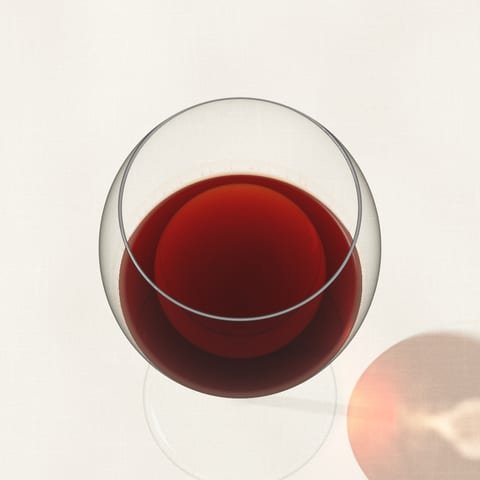
Many old bottles that go wrong at the table go wrong in the first minute: a quick lever opener, a cork that snaps halfway, crumbs in the wine and a host in a hurry. Knowing how to open an old bottle of wine is mostly a matter of slowing down. Stand it up a day ahead, choose an opener that grips the cork rather than drilling through it, go gently and be ready for the cork to fail.
The method is simple. The difficulty is the cork: after decades pressed against wine it can be soft, dry or crumbly by the time you reach it. The wine behind it is often just as fragile, so what happens after the cork comes out matters as much as the cork itself.
A day or two before
- Stand the bottle upright for a day or two, so the sediment slides to the bottom. That is not long enough to dry the cork.
- Let it rest after it has travelled. A bottle brought home from a merchant or back from storage across town, especially in a Hong Kong summer, deserves a few quiet days before it is opened.
- Check its condition. Look at the fill level, the capsule and any sign of seepage. A low fill, a sticky or stained capsule and a cork pushed up above the lip all suggest a hard life. What each level means is set out in ullage and fill levels.
- Plan the temperature. An old red is best at the cooler end of its range, so it can warm gently in the glass rather than start warm and fade.
The right tools
Old corks fail in two ways. They snap when a screw pulls on a weakened middle and they crumble when the screw tears through them. The right opener spreads the pull or grips the cork from the outside.
- A two-prong opener. Two thin, flat blades of unequal length slide down between the cork and the glass. You twist and pull and the cork comes out whole, held by its sides. It is ideal for a soft cork that is still snug in the neck. With a loose cork, the blades can push it into the wine.
- A two-part opener. A thin screw in the centre and two prongs down the sides hold the cork from inside and outside at once. For a fragile cork it is often the most secure option.
- A long, thin worm. If you use a conventional corkscrew, choose one with a long, open spiral rather than a solid, drill-like screw, long enough to reach the bottom of a long cork.
- No lever openers. They pull hard and fast and an old cork breaks under the strain.
How corks age over decades and why some estates recork old bottles are covered in what the closure means for your wine.
How to open an old bottle of wine, step by step
- Remove the whole capsule. Cut it well below the lip or, better, take it off completely, so nothing dirty runs into the wine as you pour. Capsules on older bottles may contain lead, which was phased out in the 1990s because traces could reach the wine at the lip.
- Clean the neck. Wipe the top of the cork and the lip of the bottle with a damp cloth. Mould and old wine on top of the cork are common in damp cellars and are not in themselves a sign that the wine is spoiled.
- Insert slowly. With a two-prong opener, start the longer blade first, then rock the handle gently from side to side until it sits on the cork. With a screw, go in straight and centred, almost to the bottom of the cork but not through it, so no crumbs fall into the wine.
- Ease the cork out with steady pressure. Keep the bottle upright and still. No jerks. Slow down as the cork comes free, so it does not break at the last moment.
- Wipe the lip again and smell the wine, not the cork. The cork tells you where it has been. The wine tells you what you are about to serve.
Stand it up the day before and open it as if you had all evening.
If the cork breaks or crumbles
A broken cork is annoying but rarely serious: bits of cork do not spoil the wine.
- If it snaps in two, go back in slowly with the two-prong opener or with a screw at a slight angle, easing the remaining piece up against the side of the neck.
- If it crumbles, work out what you can and accept that some fragments will fall in.
- If pieces fall in or the cork is pushed into the bottle, pour the wine through a clean, fine filter into a decanter. A paper coffee filter or a fine mesh strainer works; rinse it with water first so it adds no taste of its own.
Since you are decanting anyway, the sediment can stay behind in the bottle at the same time. The method is in the guide to decanting, along with when an old wine is better poured straight from the bottle.
Port tongs, for very old vintage Port
Very old vintage Port can have a cork so soft that no opener will draw it out cleanly. The traditional answer is port tongs: tongs heated until red hot are clamped around the neck just below the cork, then a cold, wet cloth makes the glass break cleanly along that line and the wine is decanted through a filter to catch any fragments. It is dramatic and effective and best left to someone who has done it before. Hot metal, broken glass and a valuable bottle are not a combination to practise on. More on why vintage Port spends so long in bottle is in our guide to Port.
Serve soon and keep a spare
An old wine has waited decades for this moment and may not wait much longer once it meets air. Serve it soon after opening and taste it before anyone else does. Old bottles vary even within the same case. Some will be past their best. One tired bottle does not mean the wine has left its drinking window everywhere, but it does mean tonight needs a plan B.
Have a second bottle ready, ideally a younger and more reliable one, so a faded wine becomes an interesting footnote rather than the end of the evening. It is also why, when you buy mature wine, two bottles of the same wine are worth more to you than one.
The calm routine
Stand the bottle upright on Thursday for a Saturday dinner. Before the guests arrive, lay out the opener, a damp cloth, a decanter, a funnel and a clean filter. Open it slowly, taste it first and keep the spare within reach. If you are unsure which of your older bottles are still worth the ceremony, a cellar review will tell you before a dinner does.