Tasting · 6 min read
How to taste wine without the theatre.
Tasting well takes no special gift, only four steps taken in the same order every time. That habit is what turns a pleasant glass into useful information.
Most people taste wine the way they skim a contract: one glance, one gulp, a verdict. The glass is half empty before the wine has told them anything. Learning how to taste wine needs a method far more than a gifted palate.
The method is four steps in the same order with every glass: look, smell, taste, conclude. It is how professionals work and it is far simpler than the rituals around it suggest. Once it becomes a habit, every bottle you open teaches you something.
How to taste wine in four steps
A method does two jobs. It slows you down, so you notice what is in the glass instead of what you expected to find there. It also makes wines comparable. Judge every wine on the same points in the same order and last month's note can sit beside tonight's.
Each step asks a few questions. Look at clarity, intensity and colour. Smell for condition, intensity and aromas. Taste for sweetness, acidity, tannin, alcohol, body, flavour and finish. Then conclude on quality and readiness. Plain words serve best throughout, because a word you will recognise next year beats an elegant one you will not.
Look: clarity, intensity and colour
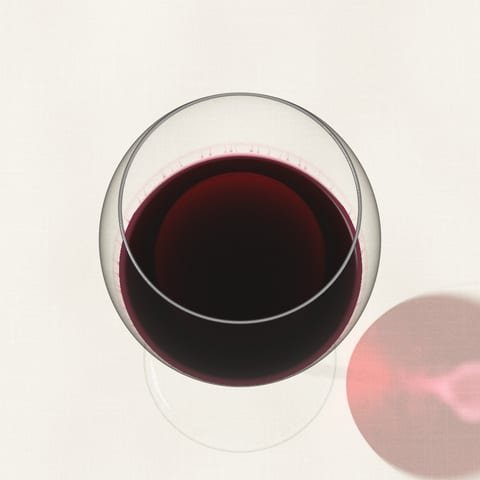
Tilt the glass over something white, a napkin or a sheet of paper, in good light. Check clarity first. Most wines are bright. A haze can point to a fault or simply to a wine bottled without filtration, so note it and let the nose settle the question.
Next, judge intensity (how deep the colour is at the core) and move to the rim, where a red's colour thins out and tells you most; a white shows its colour better at the core. Whites deepen with age, from pale straw towards deep gold. Reds fade, from the purple of youth towards brick and orange tones. In a red the change shows first at the rim, so a watery or brick-orange edge suggests a wine with some years behind it.
Colour also hints at the grape. Pinot Noir and Nebbiolo make pale reds; Syrah and Cabernet Sauvignon make deep ones. Paleness is no guide to power, though: a pale Barolo can be one of the most tannic wines you will ever taste.
While the glass is tilted you will see tears running down the inside. They deserve a glance and no more, since what wine legs tell you is mostly about alcohol and sugar.
Smell: first sniff, then swirl
Take a first sniff before you swirl to judge the wine's condition, which means no more than whether it smells clean. A musty smell of damp cardboard, a sharp note of vinegar or the flat, bruised-apple smell of oxidation are the usual signs that something has gone wrong. How to tell a faulty bottle covers them in detail.
Then swirl for a few seconds and smell again. Swirling spreads the wine over the glass so that more of its aroma reaches you. Judge intensity first, from faint to powerful, then sort what you find into families before you hunt for single notes:
- Fruit. Citrus, orchard, red, black or dried. Its type and ripeness say a good deal about the grape and the climate.
- Flowers and herbs. Blossom, rose, violet, cut grass, mint.
- Spice and oak. Pepper, clove, vanilla, toast, smoke. Vanilla and toast usually point to oak barrels.
- Development. Leather, earth, mushroom, nuts, honey, dried leaves. These arrive with age and tell you the wine is no longer young.
Your nose tires of a smell quickly, so several short sniffs with a pause between them work better than one long one.
Taste: the mouth measures structure
Take a proper sip (more than a polite drop) and move it around your whole mouth. Drawing a little air through the wine, discreetly, carries its aromas to the back of the nose. Then work through the structure:
- Sweetness. Noticed almost at once. Most still wines are dry or close to it.
- Acidity. It makes your mouth water: the more it waters, the higher the acidity. Why acidity matters explains more.
- Tannin. In red wine, a drying grip on the gums and teeth, like very strong black tea. See how tannin works.
- Alcohol. Felt as warmth at the back of the throat.
- Body. The weight of the wine in your mouth, like the difference between skimmed and whole milk.
- Flavour. How intense it is (from faint to powerful) and whether it matches what the nose promised.
- Finish. How long the flavour lingers once you have swallowed or spat. Count the seconds; good wines stay.
Here is the part most people have backwards. Your tongue detects only a handful of tastes: sweet, sour, salty, bitter and savoury. Tannin registers as touch and alcohol as warmth. Almost everything you would call flavour, the cherry, the vanilla, the smoke, is smell, reaching your nose from the back of the mouth. A heavy cold flattens food for the same reason.
The mouth measures the structure; the nose supplies the flavour.
Experienced tasters lean on those readings from the mouth when they judge a wine. Acidity, tannin, alcohol and length show how it is built and how it is likely to age.
Conclude: quality and readiness
This is the step most people skip and the one that turns tasting into judgement. Four questions do most of the work:
- Is it balanced? Fruit, acidity, tannin and alcohol in proportion, with nothing sticking out: no burn of alcohol, no hollow sourness, no tannin gripping after the fruit has gone.
- Is it long? A finish that lingers is one of the surest signs of quality.
- Is it intense? Concentrated flavour, with no sense of dilution.
- Is it complex? Several layers of aroma and flavour that shift as you taste. One note repeated is simple, however pleasant.
Readiness comes last. A wine with plenty of fruit and firm structure may well improve. One whose fruit is fading while its tannin or acidity still grips is unlikely to get better. If it tastes good now and you cannot see what time would add, drink it.
Habits that make it easier
- Small pours. A third of a glass at most leaves room to swirl; a tasting pour can be much less.
- A plain glass. Clear, thin and tulip-shaped, narrowing towards the rim to hold the aromas. The same glass every time makes wines easier to compare.
- Water and plain bread. Your palate lasts longer and so does your judgement.
- Spit when you taste several wines. Professionals do it at every serious tasting; nobody will think twice.
- The right temperature. Too cold and the aromas vanish; too warm and the alcohol takes over.
- Three words. Write three words for every wine. Three words you will understand in a year are worth more than a paragraph you will never reread.
How to practise
Comparison teaches faster than volume. Open two wines side by side and change one thing: the same grape from two regions, the same wine in two vintages, an oaked Chardonnay against an unoaked one. Differences that hide in a single glass become obvious in two.
After that, take away the labels. Tasting blind removes price and reputation from the room and leaves only the wine; what blind tasting teaches explains why it sharpens a palate so quickly. Our blind tasting evenings open with a short lesson in how professionals taste. The free wine quiz is a quick way to test the theory behind it all.
Start tonight with whatever you open: look, smell, taste, conclude, then three words in a notebook. A month of that and you will get more from one glass than you used to from a bottle.