

Serving · 6 min read
Once opened, the clock starts.
Oxygen is the clock: first it opens a wine up, then it flattens it. Recorked and kept in the fridge, most still wines give you two to five good days.
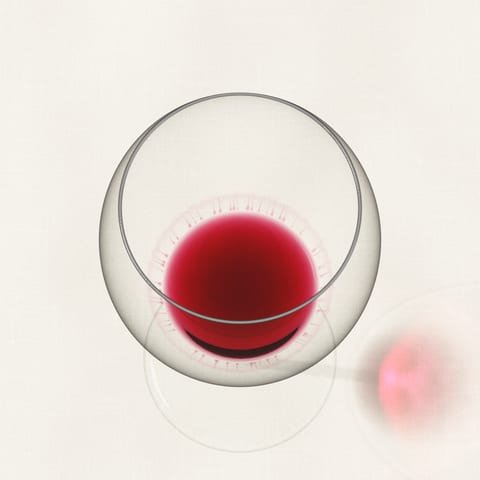
How long does wine last after opening? Recorked and kept in the fridge, most still wines stay good for two to five days (light reds at the short end) and sparkling wine for one to three. Most fortified wines last far longer: ruby Port for two to four weeks, tawny Port for a month or two, Madeira for several months. Fino and Manzanilla, the palest Sherries, are the exception and fade as fast as a delicate white.
The step that gets skipped is the fridge, especially for red wine. Because reds are served warmer than whites, the open bottle goes back on the kitchen counter, where a warm room speeds up everything oxygen does. Store every open bottle cold, whatever its colour. Let a red warm up a little before you pour.
What oxygen does to an open bottle
At first, air is a friend. A young wine that seemed tight when the cork came out often opens up over the first hour or so, which is one of the two reasons to decant.
Then the same process turns against it. The fresh fruit fades first and the aromas flatten. Whites lose their snap and drift towards bruised apple; reds turn dull, then faintly sour. Given enough air and time, bacteria that need oxygen start turning alcohol into acetic acid, the sharp note of vinegar.
Sparkling wine has a second problem. Its bubbles are carbon dioxide held in the wine under pressure; once the cork is out, the gas escapes steadily. Cold wine holds its gas better, which is why a chilled bottle stays lively for longer.
Cold slows everything else too. Chemical reactions run more slowly at fridge temperature and so do the bacteria, which is why the fridge comes first in everything that follows.
How long wine lasts after opening, style by style
The chart is a rough guide for bottles that have been recorked and kept in the fridge, reds included. Read it as the time a wine stays enjoyable rather than as a deadline. A bottle resealed straight after the first glass will outlast one that stood open all evening.
- Sparkling wine: one to three days. Use a proper sparkling stopper that clamps onto the neck. A spoon hung in the neck is folklore. It seals nothing, so the gas escapes just the same; whatever help it seems to give comes from the cold of the fridge.
- Light whites and rosé: three to five days. Acidity keeps them fresh, but the delicate aromas that make them worth drinking are the first thing to go.
- Fuller whites: three to five days. Richer, oaked whites keep about as long as light ones.
- Light reds: two to three days. Pinot Noir, Gamay and other reds with little tannin have less to shield them and fade soonest.
- Fuller reds: three to five days. Tannin acts as a buffer against oxygen. A young, tight red can even taste better on the second day than on the first.
- Sweet whites: about a week. Sauternes and other sweet whites are sturdier than dry wines once opened.
Fortified wines follow rules of their own, covered below.
Slowing the clock
The fridge comes first. Everything else works by reducing the air the wine can reach.
- Recork as you pour. Put the cork or screw cap back as soon as the glasses are filled instead of at the end of the evening. If the cork will not go back in, a simple wine stopper does the same job.
- Less air in the bottle. A half-empty bottle holds as much air as wine. Pour leftovers into a clean 375 ml half bottle, fill it close to the top and seal it. Better still, if you know at the start that you will drink only half, fill the small bottle straight away, before that half has met the air.
- Inert gas. A preservation spray lays a blanket of inert gas, such as argon, over the surface of the wine. Argon is heavier than air, so it settles onto the wine and pushes much of the oxygen out of the way.
- Vacuum stoppers. A hand pump draws out some of the air, never all of it. Useful for still wine, but no substitute for the fridge. Never pump a sparkling wine: it loses its bubbles along with the air.
- Needle-based systems for fine wine. A needle-based preservation system never pulls the cork. A thin needle passes through it, inert gas replaces the wine drawn out and the cork closes up again when the needle comes out. The rest of the bottle never meets the air, which makes it the tool for following a fine wine a glass at a time.
How to tell when a wine has gone
Trust your nose first. A wine past its best smells flat: the fruit has gone and nothing has replaced it. Whites drift towards bruised apple and sometimes a nutty, Sherry-like note; reds smell dull and tired. A sharp smell of vinegar or nail varnish means acetic bacteria have been at work.
Then taste a small sip. The wine will seem thin and sour, with a short, sometimes bitter finish. A white may have deepened in colour. A sparkling wine will simply be flat.
One distinction matters. A wine that smelled musty, of damp cardboard, on the first night was not oxidised. It was corked, a fault no preservation method can fix. Telling a corked bottle from a tired one takes only a little practice.
Recork as soon as you have poured and put the bottle in the fridge, whatever its colour.
Taste before you pour for anyone else. A small sip settles the question faster than any chart.
Fortified wines play by different rules
Most fortified wines owe their staying power to the way they are made. Tawny Port has spent years in wood, slowly meeting oxygen. Madeira is deliberately warmed during its making and aged in contact with air. There is little left for oxygen to do, so a tawny keeps one to two months once opened and Madeira several months.
Ruby and LBV (Late Bottled Vintage) Port, which keep more of their fresh, dark fruit, last two to four weeks. Vintage Port is the exception in the family, an old one above all. It has aged in bottle away from air, so treat it like a fine red and finish it within a few days.
Sherry divides along the same line. Amontillado and Oloroso, which have already met oxygen in the cask, keep for several weeks. Fino and Manzanilla age under flor, a layer of yeast that shields them from air, so once opened they behave like a delicate white wine. They are at their best in the first two to three days; the Consejo Regulador, Sherry's regulatory council, allows up to a week, tightly stoppered in the fridge. A half bottle is often the smarter buy. How flor and oxygen shape Sherry and the two families of Port explain the difference in more detail.
In a warm flat, the fridge is the safer home for open Port and Madeira as well. Give them a little time out of it before serving.
Using leftovers well
A wine past its best in the glass can still earn its place in the pan. Red goes into a braise or a pan sauce and white into a risotto or a pot of mussels. The last of a Madeira or an Oloroso lifts a gravy.
Cook with wine that is tired but not turned, because a sauce concentrates everything in it, sourness included. Leftovers you will not use within a few days can be frozen in an ice cube tray and dropped straight into the pan later.
The better fix is fewer leftovers. Open bottles in sequence instead of all at once and count your pours before the evening starts; the arithmetic of a wine dinner shows how.
The routine that works
Recork as you pour. Fridge everything, reds included. Take a red out a little before you want it so it comes back up to a proper serving temperature.
Drink the fragile bottles first (sparkling, light reds, Fino and Manzanilla) and keep the sturdy ones for later in the week. When in doubt, pour a small taste and trust it. To taste several fine wines in one evening without a fridge full of half-empty bottles, share them round a bigger table, which is what a hosted tasting does.