

Regions · 5 min read
Sherry, from flor to oxygen.
Every dry Sherry is shaped by one choice. Age the wine under a protective layer of yeast or let the air at it. Learn that and the whole range makes sense.
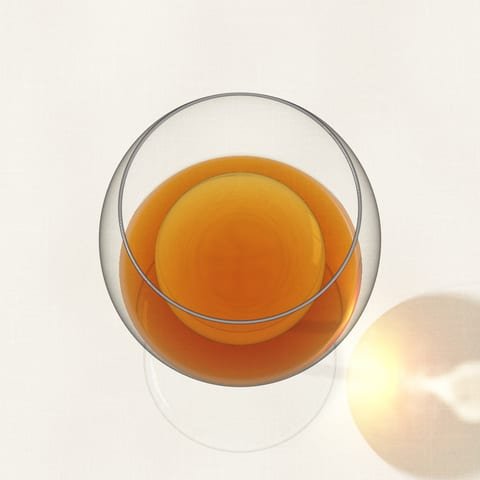
The usual picture of Sherry is a sweet, faded bottle brought out once a year. Yet five of its classic styles are dry, the best are among the most complex wines you can pour and many are remarkable value. The types of Sherry sort by one idea: how the wine aged. Some age under a layer of yeast called flor, some in contact with oxygen and some under flor first, then with oxygen.
Flor shields the wine from the air and keeps it pale, crisp and dry. Oxygen darkens it and builds flavours of nuts, toffee and spice. The sweet styles are made separately.
Where Sherry comes from
Sherry comes from Andalucía, in the south of Spain, around three towns known as the Sherry triangle: Jerez de la Frontera, El Puerto de Santa María and Sanlúcar de Barrameda. It is a white wine made mostly from Palomino, a grape with a fairly neutral flavour of its own, which leaves the character to the ageing. The rules are set by the Consejo Regulador, the body that governs Sherry.
Sherry is traditionally fortified with wine spirit and the strength of that fortification sets the course. A wine brought to around 15% alcohol can grow flor. At around 17% flor cannot live, so the wine ages in contact with oxygen instead.
Flor, oxygen and the solera
Flor is a layer of yeast that forms on the surface of the wine in the cask and seals it from the air. This is called biological ageing. Oxidative ageing is the opposite. With no flor, the wine meets the air through the wood, darkens year by year and grows more concentrated as water slowly evaporates.
Most Sherry matures in a solera, a system of fractional blending. Casks are traditionally arranged in rows. The oldest wine sits in the bottom row, the solera itself. The rows above it, called criaderas, hold progressively younger wine. When wine is drawn from the oldest row for bottling, that row is topped up from the one above it, which in turn is refreshed from the next. Every bottle is therefore a blend of many years, which is why most Sherry carries no vintage.
Flor keeps a Sherry pale and fresh while oxygen makes it dark and nutty: every dry style sits somewhere between the two.
The types of Sherry, from flor to oxygen
- Fino. Aged entirely under flor. Very pale, crisp and very dry, with a note of almond.
- Manzanilla. A Fino-style wine aged in Sanlúcar de Barrameda. Lighter than Fino, with floral notes and a fine, bitter edge on the finish.
- Amontillado. Begins under flor like a Fino, then continues ageing without it, in contact with oxygen. Amber, with hazelnut and spice, more structure than a Fino and still dry.
- Palo Cortado. Starts as a wine picked out for its finesse. It is then fortified again to end the flor and aged with oxygen from then on. It combines the finesse of an Amontillado with the richness of an Oloroso and it is rare.
- Oloroso. Aged with oxygen from the start. Deep amber to mahogany, powerful and dry, with walnut, tobacco and spice.
The diagram runs from the most biological style to the most oxidative, with the sweet styles set apart because they are made in a different way.
Strength follows the same line. Fino and Manzanilla sit at around 15% alcohol, while Amontillado, Palo Cortado and Oloroso are usually between 17 and 20%, one more reason to pour modest measures and keep water on the table.
The sweet styles
- Pedro Ximénez. Made from Pedro Ximénez grapes dried in the sun, which concentrates their sugar. Close to black and intensely sweet, with flavours of raisin, fig, coffee and liquorice.
- Moscatel. Made from Moscatel grapes, usually sun-dried. Sweet, with floral and citrus aromas.
- Blended sweet styles. Pale Cream, Medium and Cream blend dry Sherry with sweet wine or concentrated grape must, a tradition closely tied to the British market.
A small glass of Pedro Ximénez poured over vanilla ice cream is one of the simplest good desserts there is. The blended styles are pleasant, but the character of Sherry lives in the dry wines and the two naturally sweet ones.
Age statements worth knowing
For very old wines, the Consejo Regulador certifies age. VOS (Very Old Sherry) means an average age of over 20 years and VORS (Very Old Rare Sherry) over 30 years. Both apply to Amontillado, Oloroso, Palo Cortado and Pedro Ximénez. There are also 12 Years and 15 Years indications for the same four styles. Vintage Sherries, known as añadas, also exist: they age on their own, outside the solera.
These certified Sherries are among the most concentrated and complex wines anywhere. A single glass after dinner is plenty. An open bottle lasts long enough to share over many evenings, so one bottle can introduce a whole group of friends to what very old wine tastes like.
Serving Sherry and what to eat with it
The Consejo Regulador recommends serving Fino and Manzanilla at 5 to 7°C, the other Sherries at 12 to 14°C and VOS or VORS wines at around 15°C. Pour them into a good white wine glass with a generous bowl rather than a small traditional copita, which limits the aroma.
Treat Fino and Manzanilla like a delicate white wine. Buy them from a shop that sells plenty, chill them and finish the bottle quickly. The Consejo allows an opened bottle up to a week, tightly stoppered in the fridge, but it is at its freshest in the first two or three days. Amontillado, Oloroso and the sweet styles keep for weeks, as set out in how long opened wine lasts. Unopened bottles should stand upright, unlike table wine, to limit the surface of wine in contact with the air.
At the table, Fino and Manzanilla are made for salty and fried food: salted almonds, olives, ham, fried seafood. Their very dry, crisp finish does the job that acidity does in a table wine, cutting through salt and oil. They are also superb with dim sum, for the same reasons that crisp, dry wines shine in pairing wine with Cantonese food. Amontillado suits mushrooms, clear soups and aged cheese. Oloroso takes on braised meat and hard cheese.
Where to start
Buy three bottles: a Manzanilla, an Amontillado and an Oloroso. Chill the first well and serve the other two cool. Taste them side by side, in white wine glasses and small pours, with salted almonds and a few slices of ham. The line from flor to oxygen will be obvious in the first three sips. Finish the Manzanilla that evening or the next. Stopper the other two and keep them in the fridge: they will still be good in a few weeks, so nothing is wasted.
If you already love tawny Port, try Oloroso and Amontillado next. They share its nutty depth without the sweetness. Setting one beside a tawny Port is the quickest way to see how the two great fortified families differ. Then test what stayed with you in the free 60-question wine quiz.