

Cellars · 6 min read
The white wines worth waiting for.
Most white wine is made to be drunk young. A handful of styles do the opposite and become some of the most complex bottles in any cellar.
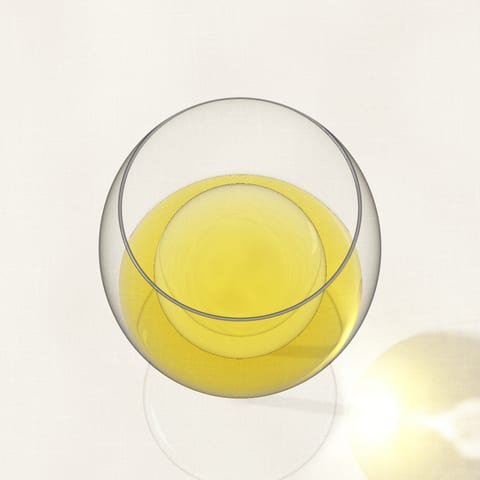
Most cellars are full of red. White wine is mostly made to be drunk within a year or two of release, so few people ever taste one that has had real time. They miss a great deal, because the white wines that age well change as much over twenty years as any great red.
The list is short and it follows one rule: acidity first. Riesling, Chenin Blanc, Hunter Valley Sémillon, the great sweet wines and vintage Champagne all have it. Sugar or real concentration can add decades; oak is optional. White Burgundy belongs on the list too, with one big caveat from the last thirty years.
What time does to a white wine
Three things change together:
- Colour. Whites gain colour as they age, moving from pale lemon through gold towards amber. Deep colour is normal in an old white. In a young one it is a warning sign, as the white Burgundy story below shows.
- Aroma and flavour. Fresh citrus, apple and stone fruit give way to honey, nuts, toast, beeswax and dried fruit.
- Texture. The wine broadens and feels rounder, even while its acidity keeps it upright.
These changes do not depend on oak. Some of the longest-lived whites in the world never see a new barrel, which tells you where their staying power comes from.
The best old whites keep a thread of freshness running through all that development. Without enough acidity, a white has nothing to hold it up once the fruit fades: it tastes flat and tired rather than mature. This is why the light, everyday whites that fill most shelves rarely improve: they are made for their fresh fruit and have little else to fall back on once it goes.
Riesling and Chenin Blanc
Riesling is the most reliable white for ageing. Its acidity is naturally high and it ages well whether dry, off-dry or sweet.
The classic sources are the Mosel, the Rheingau and Alsace. In Australia, the Clare and Eden Valleys make dry, lime-scented Rieslings built for the long haul, nearly all of them now sealed with a screw cap. German labels tell you how ripe the grapes were at harvest, which is a clue to style; our guide to German Riesling labels explains the ladder.
With age, Riesling develops a note often called petrol. The compound behind it, known as TDN, forms slowly in the bottle as the wine's acidity breaks down precursors that came from the grape. Grapes exposed to more sun carry more of those precursors. In small doses the note is part of Riesling's charm; in large ones it can dominate.
Chenin Blanc shares Riesling's high acidity and ages gracefully in its own direction, towards honey, beeswax, nuts and dried fruit. In the Loire, Vouvray is made in every style from dry to sweet, as well as sparkling. Its sweet wines can last for many decades. Savennières, mostly dry, is known for long-lived wines that are often austere when young. Both reward patience.
White Burgundy and premature oxidation
White Burgundy was long the white that serious collectors laid down. Then, from the mid-1990s, a worrying number of bottles began to age far faster than expected. Wines that should have been in their prime turned deep gold, flat and oxidised years early, sometimes while other bottles from the same case were fine. The trade calls it premature oxidation (premox for short).
Deep gold in an old Riesling is maturity; deep gold in a young white Burgundy is a warning.
No single cause has been proven. The suspects include cork quality, too little sulphur dioxide, riper grapes in warmer years and heavy lees stirring; many observers think it is a combination. Producers responded with closer scrutiny of their corks, more attention to sulphur and less lees stirring. The problem has not gone away, but reports suggest it is far rarer than in wines from the late 1990s.
For a buyer, the lesson is practical. Buy white Burgundy from good storage with a clear history. Open bottles earlier than the old textbooks suggest. Judge each bottle on its own merits. Hold it to the light before opening: a colour too deep for its age is the first warning.
Burgundy's hierarchy still matters, since premier and grand cru whites are built for longer ageing than village wines. Shorten the wait all the same and check every bottle.
More white wines that age well
- Hunter Valley Sémillon. Australia's most singular white. It is picked early for low alcohol and high acidity and is usually made without oak. Young, it is lean, citrusy and almost severe. With several years in bottle it turns honeyed and toasty, with a flavour of toast that most people would swear came from barrels. It did not.
- Sweet whites. Sugar and acidity together let Sauternes, sweet German Riesling and Tokaji from Hungary live for decades. Many of the greatest are made from grapes shrivelled by noble rot, a benign fungus that concentrates their juice. With age they darken towards amber and trade fresh fruit for marmalade, honey and nuts, while the acidity keeps them from cloying.
- Vintage Champagne. Made from a single year and aged at least three years before release, it gains toast, brioche and honey with time in bottle. Some back labels give a disgorgement date, which tells you how long the wine has spent in bottle since its yeast sediment was removed; reading a Champagne label explains why that matters.
Serving an old white
Old whites are more fragile than young ones and suffer badly from the ice bucket. Serve an old dry white cool rather than cold, around 10 to 13°C, in a larger glass that gives the aromas room. An old sweet wine shows best at the top of its 6 to 10°C range. Getting the serving temperature right matters more here than almost anywhere else.
Some mature whites open up with a little time in a decanter. Very old or delicate ones are better poured gently from the bottle and tasted as they open, since air can finish them quickly. Taste before you serve and keep a second bottle in reserve in case the first is past its best.
Mature whites are also at their best with food. Their savoury depth suits dishes that would flatten a young, fruity white: mature white Burgundy or aged Champagne with a Cantonese braise or abalone, an old Riesling with roast pork.
Building whites into your cellar
Give white wine a proper share of the cellar:
- Buy in multiples. Three to six bottles of a Riesling, Chenin or Hunter Sémillon you like, then open one every few years to follow it.
- Store whites as carefully as reds. A steady 12 to 14°C, dark and still. Heat ages a white as surely as it ages a red.
- Start earlier with white Burgundy. Open the first bottle sooner than tradition says and let each one decide the next.
- Look for acidity. It is the best single sign that a young white has a future.
For the wider picture across reds, whites and sweet wines, see which wines improve with age. If you are building a cellar from scratch, give whites a line in the plan from the start; a first-cellar planning session ends with exactly that kind of written plan.