

Cellars · 6 min read
Which wines improve and why.
Most wine is made to be drunk young. Here is a short, reliable map of the minority that improves in bottle and the structure that makes it possible.
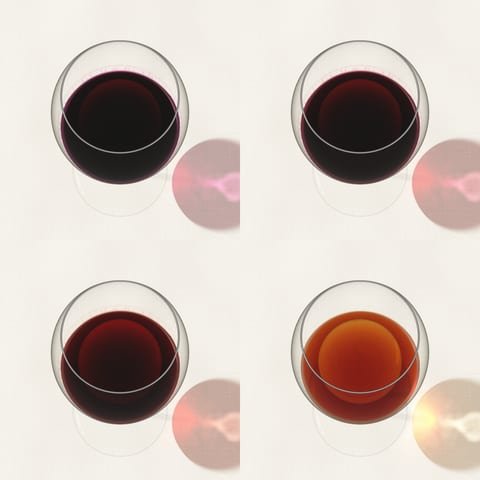
A common way to spoil a good bottle is to save it. Most wine is at its best within a year or two of release. Kept for an occasion that never quite arrives, it fades rather than improves. So the useful question is which wines get better with age. The answer is a minority with one thing in common.
That one thing is structure: acidity, tannin or sugar, with the concentration of flavour to match, all in balance. Classed Bordeaux, Barolo, Riesling, Sauternes and vintage Port are the classic examples. Wines built that way change in bottle in ways worth waiting for. Everything else is best opened while it is fresh, which is exactly what it was made for.
What lets a wine improve
- Acidity keeps a wine fresh while everything else changes. It is why high-acid whites such as Riesling outlast many reds. When you judge a young wine for keeping, check its acidity first.
- Tannin, from grape skins, seeds and stems and from oak, gives red wine its grip. Over the years it softens and part of it falls out as sediment, which is how a hard young red becomes a supple old one; how tannin changes with age explains the chemistry.
- Sugar needs acidity beside it. Sweet wines with high acidity can live for decades: the acidity keeps them fresh while the sugar gives them the richness to develop.
- Concentration of flavour gives the wine something to become. Fresh fruit is the first thing to fade and a wine needs more than fruit to carry it through the years that follow.
- Balance holds it together. Tannin without fruit dries out. Fruit without acidity turns flabby.
Alcohol on its own is not on that list. It helps to preserve fortified wines such as Port, but a big, ripe table wine with soft acidity is not built for long ageing, whatever its price. Price is a weak guide in the other direction too: some of the longest-lived whites in this guide are far from the most expensive bottles on a list.
What changes in the bottle is character. Fresh fruit gives way to more savoury, developed notes: leather, earth, mushroom, dried fruit and tobacco in reds; honey, nuts and toast in whites. Reds lose colour, moving from purple through ruby to garnet and tawny, while whites gain it, from lemon to gold and amber. Whether that counts as improvement is a matter of taste, so find out whether you enjoy mature wine before you commit a cellar to it.
Structure ages; fruit on its own only fades.
The shape of a wine's life
A wine built to age does not improve in a straight line.
Quality rises in youth as the components knit together. Many wines then pass through a closed phase, when the fresh fruit has receded and the mature character has not yet arrived. They can taste dull or hard for a while, which is why a bottle opened too early so often disappoints. Then comes the plateau, the drinking window, which for a great wine can last many years. After it, the decline: the fruit dries out, the structure shows through and the wine thins.
Storage shapes the curve as much as the wine does. Kept warm, the same wine climbs faster and falls sooner. How to find the plateau for a particular wine is the subject of drinking windows, explained.
Which wines get better with age: the reds
- Classed Bordeaux. Cabernet Sauvignon and Merlot blends from the leading estates, built on tannin and acidity, usually need the best part of a decade before they show what they can do.
- Barolo and Barbaresco. Nebbiolo looks pale but carries high acidity and high tannin. Barolo must be aged for at least 38 months before release, 18 of them in wood; Barbaresco for at least 26 months, 9 of them in wood. The best need years more in bottle, as the guide to Barolo and Barbaresco explains.
- Northern Rhône Syrah. Hermitage, Côte-Rôtie and Cornas combine firm tannin with fresh acidity and reward long patience.
- Top Burgundy. Pinot Noir from the best vineyards and producers has less tannin than the others here but ages on acidity and concentration.
- Rioja Gran Reserva. It must have at least five years of ageing before release, including two in oak and two in bottle, so part of the waiting is done for you. The best go on improving for many years.
- Vintage Port. Bottled within three years of the harvest, it does its maturing in bottle and the best improve for decades. Tawny Port does its ageing in cask before release, so keeping it gains little. The guide to the types of Port sets out the two families.
The list is not exhaustive. Serious wines from many other regions age well when they share the same structure; these are the classics with the longest record.
Whites, sweet wines and Champagne
- Riesling. High acidity lets the best last for decades, dry or sweet. With age it gains honey, toast and a note often compared to petrol.
- Chenin Blanc. Dry Savennières and Vouvray in every style from dry to sweet age on the same kind of acidity.
- White Burgundy, with a caveat. The best can age beautifully. From the mid-1990s, however, too many bottles began to oxidise years ahead of schedule, a problem known as premature oxidation. Buy from good storage, open earlier and judge each bottle on its own.
- Hunter Valley Sémillon. Picked early and usually made without oak, it is light, lemony and high in acidity when young, then develops toast and honey with years in bottle.
- Sauternes. Sweetness and acidity together give it a life of decades.
- Vintage and prestige Champagne. Vintage Champagne already spends at least three years in the cellar before release. The best keep developing towards toast, brioche and honey long after that.
Whites are where the surprises are, in both directions. White wines that age well covers them in more depth.
What rarely improves
- Most rosé. It is made for freshness and delicate fruit and is best in the year or so after the vintage.
- Light, aromatic whites. Most Sauvignon Blanc and dry Muscat are made for their fresh fruit and scent, which are the first things time takes away.
- Entry-level reds. Soft, fruity and low in tannin, they are made to be enjoyed on release. The fruit fades and nothing replaces it.
Keeping these wines does them no favours. A rosé saved from three summers ago has usually lost the freshness that was its whole point.
How to judge a particular bottle
The categories above are a map. For a specific bottle, four sources of evidence help.
- The producer. A reputation for wines that age is earned over decades. Ask how the same wine from older vintages is drinking now.
- The vintage. A ripe, balanced year with good acidity usually ages longer than a light one, which is often ready sooner.
- A trusted merchant. A good one has tasted older bottles of the wines they sell and will tell you when to open yours.
- Your own bottles. Buy several of anything you mean to age, open one early, note how it tastes and space out the rest.
Your palate is evidence too. A young wine that tastes of soft fruit and little else, with no grip and no freshness, is telling you to drink it now. A young wine that seems tight, firm or sharp, with fruit packed in behind the structure, is the one that may repay the wait.
If you are unsure, open it sooner rather than later. A bottle opened a little early can still give pleasure; one opened too late cannot be rescued. If you are starting a cellar, a first-cellar session ends with a written plan of what to open now and what to wait for.