

Buying · 5 min read
The case for the magnum.
A magnum holds two bottles of wine under roughly the same cork. That simple ratio is why magnums age more slowly and why collectors keep asking for them.
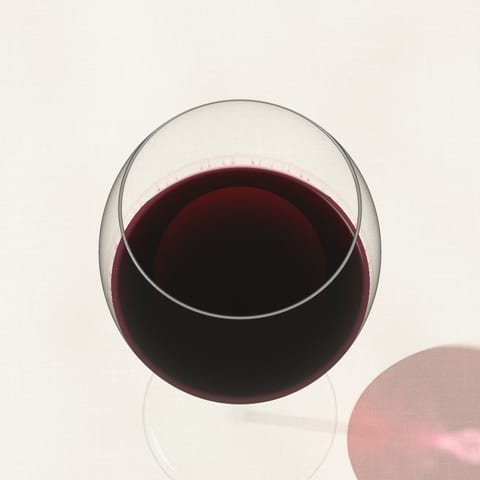
Collectors who could buy almost anything often ask for magnums. The reason is not size for its own sake. A magnum wine bottle holds 1.5 litres, twice a standard bottle, under roughly the same neck and cork. That changes how the wine ages: more slowly, more evenly and, for wines built to last, often more gracefully. A magnum is also the right size for a dinner party and one of the most generous-looking gifts a cellar can offer.
The logic has limits. Big bottles often cost more per litre, are harder to store and to serve and carry their own provenance risks. Above the magnum, even the names can mislead you.
Why a magnum wine bottle ages more slowly
Wine changes in bottle through slow chemical reactions and oxygen plays a part in many of them. At bottling, a small pocket of air sits between the wine and the cork. Over the years, tiny amounts of oxygen also pass through the cork itself. A magnum's neck and cork are about the same size as a bottle's, so it receives roughly the same oxygen, shared across twice the wine. Each litre gets less and the wine develops more slowly.
Mass matters too. Twice the volume of wine changes temperature more slowly, so a magnum responds more gently to a warm afternoon, a failed air conditioner or a delivery van. It still suffers in heat, only later and less.
The half bottle is the opposite case and ages fastest. It is convenient for a sweet wine at a small dinner and a poor choice for anything you mean to keep for decades.
What that means in the glass
Open a bottle and a magnum of the same wine at the same age and the magnum will usually taste younger: fresher fruit, firmer structure, less development. For a wine built to age, that pushes the drinking window later and often makes it longer. A mature magnum can be at its best while bottles of the same wine are starting to tire.
A magnum slows ageing but cannot add the structure that makes ageing worthwhile, so a simple, fruity wine in a magnum is just more of a simple wine. Which wines improve with age is still the first question; the format comes second.
The names of the big bottles
Above the magnum, the names change from region to region and the same word can mean different sizes.
The 3-litre bottle (four bottles) is a double magnum in Bordeaux and a Jeroboam in Champagne and Burgundy. Champagne's Rehoboam holds 4.5 litres (six bottles). A Bordeaux Jeroboam holds 5 litres today, although older ones hold 4.5. The 6-litre bottle (eight bottles) is an Imperial in Bordeaux and a Methuselah in Champagne and Burgundy. Larger still come the Salmanazar at 9 litres (twelve bottles), the Balthazar at 12 (sixteen) and the Nebuchadnezzar at 15 (twenty).
So one name covers three sizes. A Jeroboam in a Champagne lot holds 3 litres, while one in a Bordeaux lot holds 5 litres if it is recent and 4.5 if it is older. Read the volume in litres on the label or in the lot description, never the name alone.
Champagne adds a subtlety that a Champagne label rarely mentions. Its rules require bottles and magnums to be sold in the bottle in which their second fermentation took place. Half bottles and anything larger than a magnum may instead be filled with wine transferred from other bottles after its time on the lees, so a big Champagne has not necessarily aged in the bottle you are pouring from. It is one more argument for the magnum as the Champagne format to keep.
Buying large formats
Large formats are made in far smaller numbers than bottles, so they are harder to find and usually cost more per litre, especially in older vintages. For Bordeaux, the en primeur campaign is the most reliable moment to order them, since many are bottled to order. After that, they tend to surface when a collection comes up for sale.
Provenance needs extra care. Large formats of famous wines are among the favourite targets of counterfeiters because each one is worth so much. The checks in how to spot fake wine apply with more force. Big bottles are also awkward and expensive to ship, which tempts sellers to cut corners on temperature. Check the fill against the wine's age, look for seepage or a raised cork and ask whether the bottle has ever been recorked. Ask, too, how it has been stored and moved. A large bottle with a poor history is a large disappointment.
If you can, buy a few bottles of the same wine alongside the magnums. Opened from time to time, the bottles act as scouts. They show how the wine is developing and the magnums will follow a step or two behind.
Storing and serving
Most racks and cabinets are built around the standard bottle and a magnum often will not fit the slot. Keep large formats lying down in their original case, in a larger bin or in professional storage. Record where each one is, because a single big bottle is easy to forget at the back of a shelf.
At the table, a magnum serves about twelve glasses, which changes the arithmetic of planning a wine dinner. It needs more attention than a bottle:
- Temperature. A magnum chills and warms slowly. Give it longer in the fridge or the ice bucket than a bottle would need; once it is right, it stays right for longer.
- Opening. The cork is about the size of a bottle's, so your usual opener works. Stand the magnum on the table rather than holding it while you pull.
- Two hands. A full magnum is heavy. Pour with one hand at the base and the other guiding the neck. Decide in advance who pours, so every guest gets a fair share.
- Sediment. An old red magnum should stand upright for a day or longer before opening. Have a decanter large enough for 1.5 litres or two smaller ones ready.
Magnums are the natural format for a vintages dinner, where a single bottle of each wine would not go round.
Buy bottles to follow a wine and magnums to share it.
When a magnum is the wrong choice
A magnum is the wrong bottle for a dinner for two. Once opened, 1.5 litres is more than two people should drink in an evening and what remains will fade within days.
Nor is it the right format for a wine you are unsure of. A corked or tired magnum removes that wine from the evening altogether, where a second bottle might have saved it.
It is also the wrong choice for a wine you want to follow over the years. Six bottles let you open one every couple of years and watch the wine change; three magnums give you half as many chances to learn.
So buy magnums of the wines you expect to open years from now with a crowd and bottles of the wines you want to study. Whatever the format, check the volume in litres before you pay.